
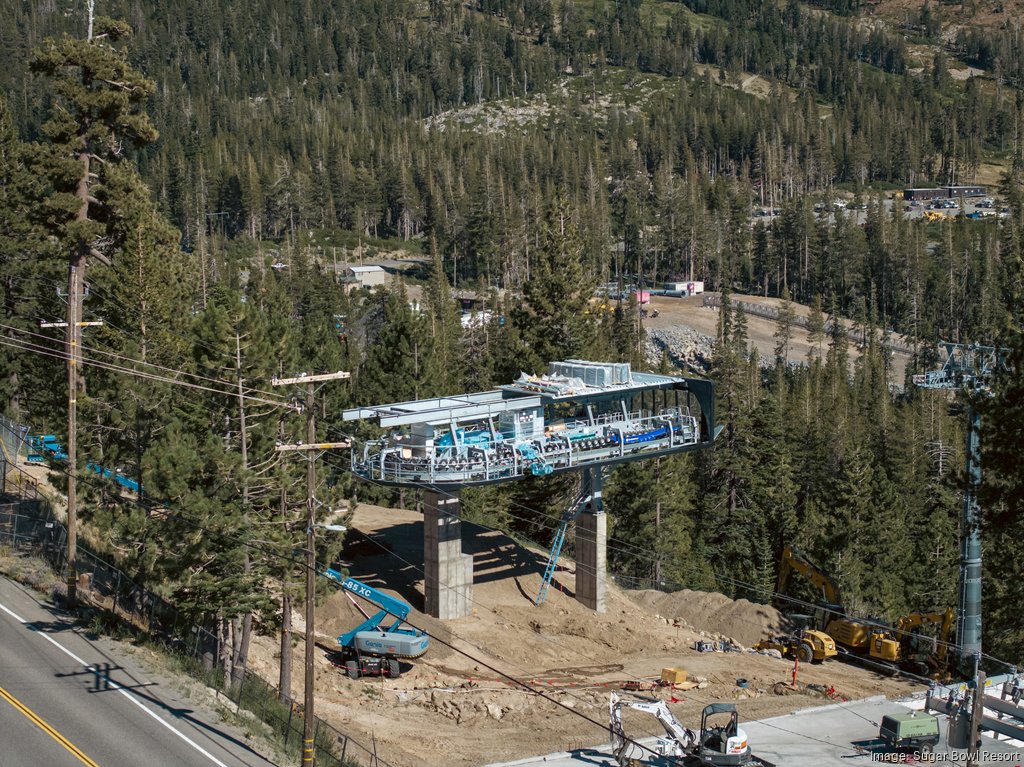
Nearly nine decades after opening atop Donner Summit, Sugar Bowl Resort is undertaking the largest capital investment in its history, a $100 million modernization designed to preserve one of California’s oldest ski destinations while improving the guest experience.
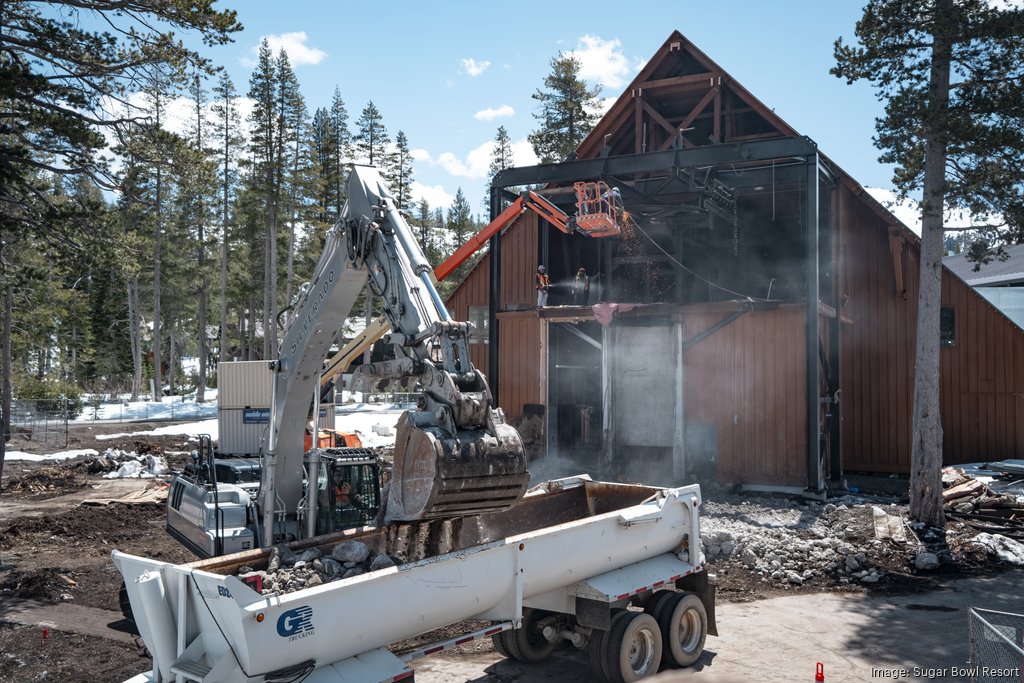
The multiyear project touches nearly every corner of the independently owned resort in Norden, from replacing its aging gondola and renovating two historic lodges to upgrading athlete training facilities, expanding snowmaking and restoring forested areas.
Resort CEO Bridget Legnavsky said the effort grew from an initial plan to replace the resort’s aging gondola into a broader $100 million investment after village homeowners chose to fund additional improvements across the property.
“The interesting question, really, is because of the way Sugar Bowl is, this is funded by the villagers with no expectation to drive more money out of it,” Legnavsky said. “They’re doing it out of a love for the place, a love for the Sugar Bowl experience, and the desire to share that with everybody.”
Founded in 1939, Sugar Bowl sits atop Donner Summit just off Interstate 80, making it one of the closest major ski resorts to the Sacramento region. The resort spans 1,650 skiable acres across four peaks and remains one of the few independently owned destination ski resorts in the United States. Approximately 170 homeowners collectively own the village and the resort through a model established by its founders nearly 90 years ago, Legnavsky said.
That ownership structure also shaped how the project was financed.
Legnavsky said the corporation contributed some funding through real estate sales and limited borrowing, but most of the $100 million came from the village community. Residents first raised enough money to replace the aging gondola, then launched what the resort called its “Snow Angel” campaign, allowing homeowners with additional financial capacity to contribute more, doubling the investment from roughly $50 million to $100 million.
“The timing was really to do with the problem we had to solve, which was aging infrastructure,” Legnavsky said. “The gondola had to be replaced.”
Half of the investment, about $50 million, is funding a new eight-passenger gondola built by Austrian lift manufacturer Doppelmayr, and new terminals and supporting garage infrastructure that preserves the village’s signature car-free winter experience.
Another $20 million has been invested in the Village Lodge, including restaurant renovations, commercial kitchen upgrades, outdoor terraces, lockers and restoration of the original William Wurster architectural design.
Approximately $15 million is being spent renovating the Main Lodge, while additional funding is supporting athlete training facilities, snowmaking, forestry work, landscaping and other improvements across the resort.
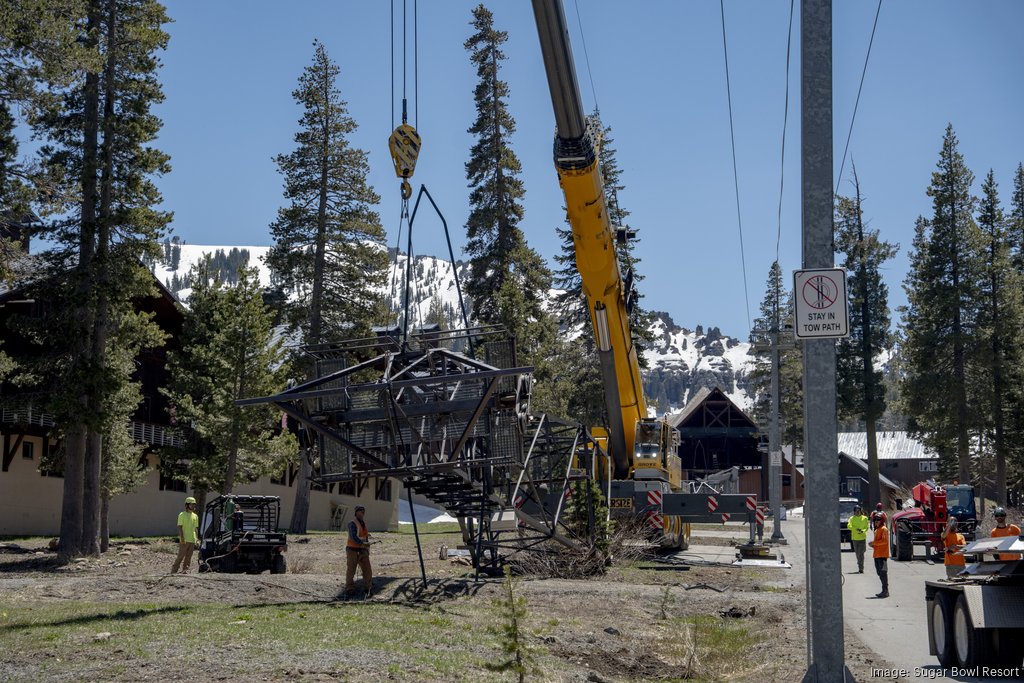
Legnavsky said the Village Lodge improvements opened last winter, while the resort’s largest construction season is taking place this summer. The gondola system is nearly complete, with work now shifting to construction of the terminal buildings.
The investment is also supporting regional employment.
Rather than laying off hospitality workers during two summers of construction, Legnavsky said Sugar Bowl reassigned many employees into project management roles supporting the capital improvements. She expects expanded weddings, events and hospitality programming to create additional seasonal employment once construction concludes.
Contractors on the project include Sunnyvale-based Level 10 Construction for the gondola terminals, Auburn-based Dynamic Trades Inc. for multiple lodge projects, Reno-based Koah Dirtwork for terrain park improvements and Doppelmayr USA Inc. for the gondola installation.
Legnavsky estimated a couple hundred people are currently working across construction projects at the resort.
Although the new gondola will nearly double uphill capacity, Legnavsky said the goal is not to significantly increase visitation, but to modernize aging infrastructure, improve the guest experience and preserve Sugar Bowl’s long-term future as an independently owned, snowbound resort.
For now, crews remain focused on completing the resort’s busiest construction season in decades. Legnavsky said major improvements to the Main Lodge, beginner terrain and athlete training areas are underway and the resort expects to open the 2026-27 ski season in November with its major improvements in place, while final landscaping and village enhancements continue into next summer.